
Hair Loss & Shedding: What’s Actually Going On (and What I’m Doing About It)
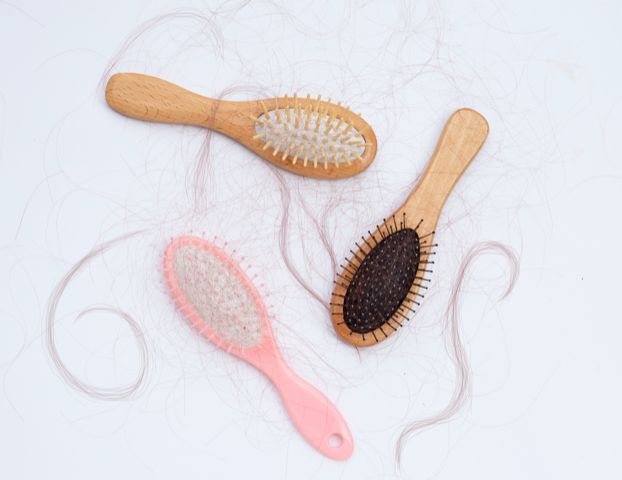 If you’ve been noticing more hair in your brush or in the shower, you’re not imagining it. This is one of the biggest concerns I’m hearing right now in the salon—and recently, I’ve gone through it myself.
There’s a moment where it shifts from “maybe it’s just buildup in my brush” to realizing… no, this is actual shedding. And it can feel unsettling.
The first thing to understand is that most of the time, there is a reason—and a lot of the time, it’s temporary.
START HERE FIRST
If the shedding feels excessive, the first step is not a product—it’s your doctor. Have bloodwork done. You want to rule out:
- Thyroid issues
- Iron deficiency
- Hormonal shifts
- Vitamin deficiencies
Hair loss often starts internally, and no product is going to fix that if something is off in your body.
WHAT I SEE MOST OFTEN
What I’m seeing the most behind the chair right now is shedding—not permanent thinning. That sudden, excessive hair coming out when you wash or brush your hair. And almost every time, when we trace it back, it lines up with something that happened about 2–3 months earlier: Stress Illness Weight loss Hormonal changes That delay is what makes it feel confusing—but it’s actually very common.
WHAT HELPED ME (AND WHAT I RECOMMEND)
I didn’t try to do everything. I focused on what actually matters.
First—my scalp. A lot of people think they have clean hair, but not a clean scalp. There’s a difference. If there’s buildup sitting on the scalp—dry shampoo, oil, product, minerals from water—it can affect how your hair grows and how it feels. Here’s what that looks like in real life: Take an extra minute when you shampoo and really work into your scalp Shampoo twice if you’re going multiple days between washes Use a clarifying shampoo about once a week If your scalp feels coated, itchy, or tight, that’s usually a sign it needs a reset You can use a gentle scalp scrub or exfoliating treatment occasionally (just don’t overdo it) The goal is simple: a clean, balanced scalp.
Second—consistency. I started taking Nutrafol and stayed consistent with it. Not for a few weeks—for months.
Third—minoxidil foam. This came directly from my doctor. It’s one of the few things that’s actually proven to help regrowth. It works by extending the growth phase of your hair cycle and increasing blood flow to the follicle. It does take commitment, and you can see a little extra shedding at first—that’s part of how it works.
Fourth- Red Light Therapy — What Everyone’s Asking About
Red light therapy is something we’ve been getting more and more questions about — and once you understand what it does, it makes sense why.
It works by delivering low-level light energy directly to the scalp, helping support circulation and the hair follicle at a deeper level.
What that means in real life:
• Hair can feel stronger
• Shedding may be reduced
• Growth becomes more consistent over time
This isn’t a one-time treatment. It’s something that builds with consistency — and that’s where we’ve seen the best results.
We’ve had several clients invest in at-home devices so they can stay consistent between visits, and the feedback has been really positive.
It’s not something we offer in the salon, but it is something we’re paying attention to — because our clients are using it and seeing results.
It’s not an overnight fix, but for some people, it’s been a really helpful addition alongside everything else they’re doing.
SMALL THINGS THAT MAKE A BIG DIFFERENCE
This is the part people overlook, but it matters. Don’t go to bed with wet hair Switch to a silk or satin pillowcase Use silk scrunchies instead of tight elastics Be very gentle when brushing, especially when your hair is wet Start brushing from the ends and work your way up When your hair is in this phase, it’s more fragile. How you handle it daily either helps or makes it worse.
WHAT I WOULD AVOID
If your hair is actively shedding or feels weaker than normal, this is not the time to push it. I would avoid: Heavy highlighting Going significantly lighter Overprocessing We can still maintain your color. Root touch-ups and glossing are completely fine. It’s just about protecting the hair you have while new growth comes in.
WHAT TO EXPECT
Hair growth takes time. Even when everything is working, it usually takes a few months before you start to notice a difference. What I look for first is regrowth—those short little hairs around the hairline or part. That’s how you know things are moving in the right direction.
FINAL THOUGHT
If you’re going through this right now, don’t panic. I know how alarming it feels, but in most cases, this is temporary. Your hair will come back. And in the meantime, there are real things you can do to support it—and to make your hair still look good while it’s growing back in. You’re not alone in this. I’m seeing it every day… and I’ve been right there too.